Awareness Toward Weight Loss Products Among Users In Tikrit City: A Cross Sectional Study
Keywords:
Awareness, Prevalence, weight loss productsAbstract
Background: Obesity is an excess body weight that leads to most chronic diseases. Obesity-related conditions are expected to rise globally. Weight-loss products are typically classified according to their mechanism of action into fat absorption inhibitors, appetite suppressants, and thermo-genic agents. The weight loss products become a concern because of the widespread and irrational use of weight-loss products and the continued rise in obesity rates and product use among adults.
Objectives: The aim of this research is to assess the awareness of weight loss products among users in Tikrit City.
Methodology: A descriptive, cross-sectional design was employed, involving a non-probability (purposive) sampling technique to collect data from 400 participants at Tikrit Teaching Hospital , surgical clinics and gyms the distribution of men and women in Tikrit city who use the weight loss. Data were gathered through a "structured questionnaire" specifically developed to measure Awareness, attitudes and prevalence of weight loss products. The sample size was determined based on convenience sampling technique based on feasibility, accessibility, and participants’ willingness to participate during the study period to ensure adequate representation of the target population.
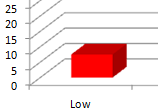
Results: The analysis indicated that half of participants (50%) demonstrated a “Moderate” level of awareness about use of weight-loss products, and 42.5% demonstrated a “High” level, while only 7.5% demonstrated a “Low” level of awareness
Conclusions: The results indicate that over fifty percent of the participants exhibit a moderate level of awareness. Participants demonstrated a modest understanding of weight-loss drugs; nevertheless, this awareness is inadequate when compared to their minimal perception of the associated hazards. The participants were motivated to use weight-loss drugs to enhance their looks, boost self-confidence, and address obesity-related health issues.
Downloads
References
Abdul-Ameer, L. A., Mikhael, E. M., &Lua, P. L. (2025). Perceptions and experiences of community pharmacists about weight loss dietary supplements: A qualitative study. BMC Public Health, 25, 1123.
Abutaima, R., Barakat, M., Sawan, H. M., Al Omari, S. M., &Mhaidat, N. M. (2024). Knowledge, attitudes, and practices towards the use of GLP-1 receptor agonists for weight loss among the general population in Jordan; A cross-sectional study. PloS one, 19(12), e0314407.
Albasheer, O., Hakami, N., Abdelwahab, S. I., Alqassim, A. Y., Alharbi, A., Abdelmola, A. O., ... &Hobani, A. H. (2024). Utilisation of the health belief model to study the behavioural intentions relating to obesity management among university students: a cross-sectional study. BMJ open, 14(5), e079783.
Al-Byati, A. I. (2022). Drugs and herbs used for weight loss among medical staff in Karbala City. International Journal of Pharmaceutical Research, 5(1), 1264–1270.
AlGamdi, K., AlQahtani, F., AlShangiti, A., Qabbani, B., AlDumri, A., AlRamadan, Y., ... &Altowairqi, R. (2022). Knowledge, attitude, and practice level of using diabetes medication to lose weight for non-diabetic patients. Archives of Pharmacy Practice, 13(1-2022), 55-62.
Algarni, M. A., Algarni, A. A. M., Alqarni, W. A., &Alqassim, A. Y. (2023). Knowledge and attitude of the general population in Saudi Arabia toward weight management medications (WMMs): a cross-sectional study. Cureus, 15(8).
Alkhatib, B., Agraib, L., Hasan, H., Qasrawi, D. M., & Al-Shorman, A. (2023). The use of herbs, dietary products, and different types of diet for weight loss purposes. Iranian Journal of Public Health, 52(7), 1390–1398.
Almughais, E. S., Alshehri, M. H., Alsatti, M., Almatar, A., Albladi, F. H., Almomatin, H. H., Alshammari, N. M., &Alshammari, R. (2023). Awareness and Perception of Anti-obesity Medications Among Al-Ahsaa, Riyadh, and Hail in Saudi Arabia Populations. Cureus, 15(6), e40425. https://doi.org/10.7759/cureus.40425
Ard, J., Kaplan, L. M., Kahan, S., Kumar, R., Kan, H., Dunn, J. P., … Gudzune, K. (2025). Perspectives on obesity management and the use of anti-obesity medicine from US employees and employers: Results from the OBSERVE study. Population Health Management, 28(3), 150–160.
Carbonell, C., Stephen, M. M., Ruan, Y., Warkentin, M. T., & Brenner, D. R. (2024). Next-generation weight loss drugs for the prevention of cancer. Cancer Control, 31, 10732748241241158.
Elsahoryi, N., Al-Sayyed, H. F., McGrattan, A. M., Odeh, M. M., &Hammad, F. J. (2021). Use of licensed and unlicensed anti-obesity medications among university students. Nutrition and Food Processing, 4(2), 1–7.
Grandl, G., Novikoff, A., Liu, X., & Mueller, T. D. (2024). Recent achievements and future directions of anti-obesity medications. The Lancet Regional Health – Europe, 47, 101083.
Jasim, U. T., Ebrahim, S. M., Ajimi, E. S., & Hassan, Z. S. (2023). Knowledge and use of anti-obesity medications among students at Basrah University. Eurasian Medical Research Periodicals, 17, 79–86.
Khalaf, R. M., & Alghamdi, H. A. (2024). Knowledge and perception of anti-obesity medications among primary healthcare center visitors in Jeddah, Saudi Arabia in 2024: an analytical cross-sectional study. Cureus, 16(8).
Li, X., Shi, Y., Wei, D., Gong, Y., Yan, X., &Cai, S. (2024). Knowledge, attitude, and practice toward weight management among diabetic patients in Qidong City, Jiangsu Province. BMC Public Health, 24(1), 922
Melson, E., Ashraf, U., Papamargaritis, D., & Davies, M. J. (2025). What is the pipeline for future anti-obesity medications? Nature Reviews Endocrinology, 21(1), xx–xx.
Munafò, A., Frara, S., Perico, N., Di Mauro, R., Cortinovis, M., Burgaletto, C., Cantarella, G., Remuzzi, G., Giustina, A., &Bernardini, R. (2021). In search of an ideal drug for safer treatment of obesity: The false promise of pseudoephedrine.
Zafar, M., Albrahimi, A. A., Alanezi, N. M. S., SayedAlameen, A. A., Alshammari, L. H., Alsuwayt, F. N. H., Alshammari, W. M. S., &Faiyaz, S. S. M. (2025). Prevalence and factors associated with weight loss medicine usage in the Hail population, Saudi Arabia. Journal of education and health promotion, 14, 223. https://doi.org/10.4103/jehp.jehp_24_25
Downloads
Published
How to Cite
Issue
Section
License

This work is licensed under a Creative Commons Attribution 4.0 International License.
Current Clinical and Medical Education